Backyard Power Tycoon Robots and Automation Guide
Turn generators, transport, and selling into a self-running power plant.
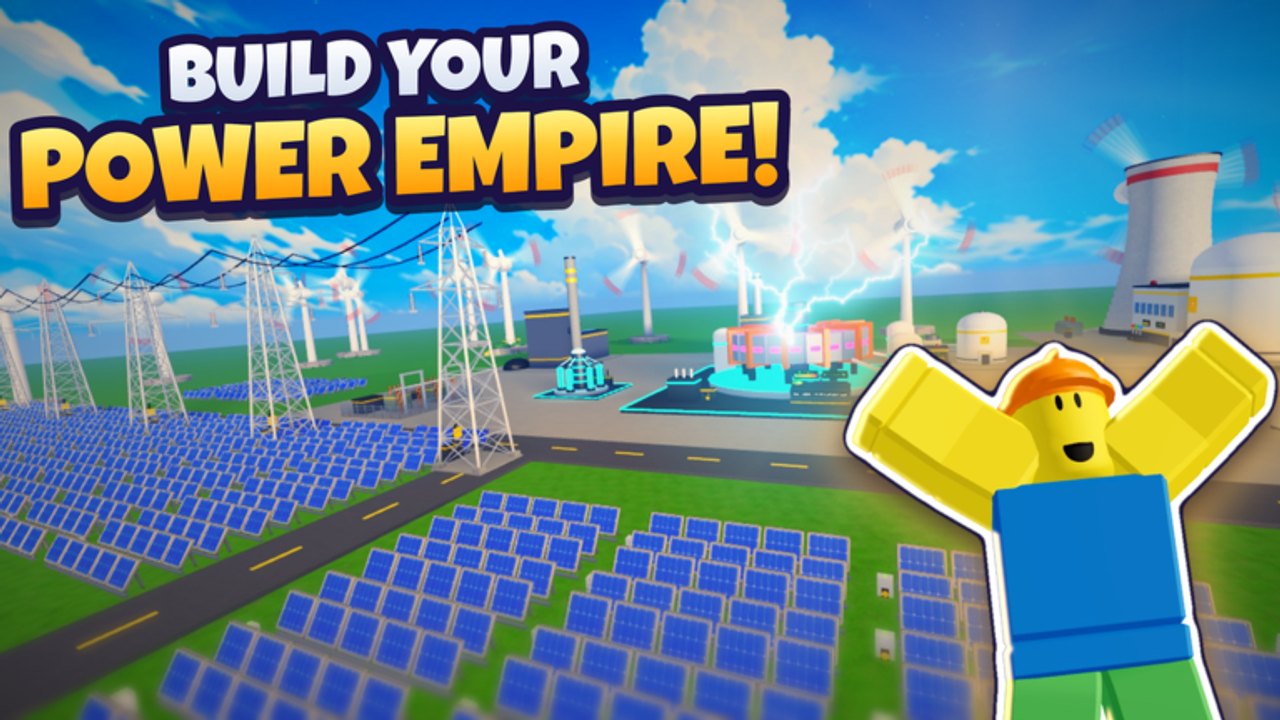
Robot helpers are the bridge between a manual backyard and a true AFK power empire in Backyard Power Tycoon by Maxi221435. Once income is stable, every minute you spend hand-cranking or walking power to storage is a minute you are not researching, expanding land, or preparing for SmogCorp. This guide covers the main robot roles, the unlock order that wastes the least Coins, how auto-sell fits the generate-store-sell loop, and layout habits that raise throughput without buying extra bots. Pair it with Getting Started, Money Making, and the Machines Tier List so automation multiplies a strong economy instead of propping up a weak one.
Why automation matters
The core loop never changes: generate power, store it in batteries, sell for Coins (and later Moon Credits), then reinvest. Early on you can keep up by hand. Mid-game, day and night cycles, weather swings, and larger plots make manual work the bottleneck. Robots remove three friction points: keeping generators turning, moving watts into storage, and converting stored power into cash at the sell point. When all three layers run together, your base earns while you AFK, invite friends for the 10% cash boost (capped at 50%), or plan the industrial zone with up to four co-op builders.
Automation is not a substitute for machine quality. A selling robot on empty batteries still earns nothing. Finish early sell-value and generator upgrades, claim Codes when available, and only then spend big on robot unlocks. Think of robots as multipliers on an already working economy.
Robot roles: crank, deliver, sell
Generator robots (auto generation)
Generator robots keep output flowing without you pressing cranks, pedals, or other manual inputs. Assign them across dense generator rows so production continues while you expand plots or dig into the research tree. They shine once you have enough machines that babysitting every unit is impossible. Unlock timing is usually mid-game progression rather than day one.
Transport robots (auto delivery)
Transport robots move power from generators to batteries or the selling station. They replace the most repetitive walk-and-drop loop in the game. Place storage close to your densest clusters so each trip is short; long diagonal routes waste robot time and create idle gaps even when you own several bots. Transport automation becomes critical as soon as your garden outgrows a single compact block.
Selling robots (auto-sell)
Selling robots convert stored electricity into Coins without you visiting the sell point. They are the final layer of full AFK income. Without them, batteries fill and sit idle while you build elsewhere. With them, cash flows continuously as long as storage stays topped up by generators and transport. Selling robots are usually tied to later selling upgrades, so expect them after your first major income spikes.
Priority unlock order
Buy layers in an order that multiplies what you already have:
- Upgrade sell value first. Raising how much each watt is worth makes every later robot more profitable per trip.
- Add selling robots next. Cash without walking to the sell point frees you to expand and research.
- Add transport robots. Power reaches storage and sell points without manual hauling.
- Add generator robots last. Continuous output fills the pipes you already automated.
Reversing this order is a common Coins sink. Generator robots on a base that still sells by hand leave batteries full while you sprint across the yard. Transport without sell automation just fills storage faster for a manual choke point. Follow sell value → selling robots → transport → generation, then scale counts as land grows.
Exact unlock costs change with updates, so treat this as a priority ladder rather than a fixed price list. Check Updates after patches, and keep a Coins buffer for land expansions when space—not cash—is the bottleneck.
AFK and co-op setups
Full AFK means all three roles are covered and your layout keeps routes short. Before you leave the session idle:
- Confirm batteries are not already capped; empty a little storage if needed so robots have room to work.
- Keep a mix of generators that handle day, night, and weather so AFK income does not flatline overnight.
- Invite Roblox friends before long AFK stretches so the stacked friend boost (10% each, 50% max) applies to automated sales.
- In co-op (up to four builders on one house), assign one player to research and land while robots handle the loop, instead of everyone manually selling.
Moon Credits and premium paths can accelerate robot unlocks, but Coins from a clean loop plus How to Redeem Codes usually cover the early automation ladder without panic spending.
Layout habits that boost robot throughput
Robots do not teleport. Compact blocks beat sprawling spaghetti:
- Cluster generators of the same era together, then put batteries and the sell point at the cluster edge.
- Expand in rectangles, not scattered plots, so new machines inherit short paths.
- Avoid placing decorative clutter on primary robot lanes between generation, storage, and sell.
- When you unlock the industrial zone, rebuild the nuclear or fusion core as a tight district with its own battery spine rather than stretching lines across the whole backyard.
For deeper zoning—solar daylight belts, wind on edges, industrial cores—see the Layout Guide. Pair that with Beat SmogCorp once automation frees you to push total output past the rival.
Common mistakes
- Automating a weak economy. Fix machine tiers and sell upgrades first; robots multiply trash into slightly faster trash.
- Too many generator bots, no sellers. Output piles up while Coins stall.
- Long robot routes. Extra bots cannot fix a maze; shorten paths first.
- Expanding empty land. Buy plots when generator space is the bottleneck, then fill and automate the new block.
- Ignoring research. Automation without research tree progress falls behind SmogCorp’s scaling curve.
Progression checklist
Use this as a mid-game automation gate before late industrial play:
- Stable Coin income from upgraded sell value and solid mid-tier machines.
- First selling robot online and verified with auto cash flow.
- Transport covering your densest generator-to-battery routes.
- Generator robots on primary rows so output continues while you build.
- Compact layout pass so average trip length drops.
- Friend boosts active and co-op roles clear if you play with others.
- Coins reserved for the next land or industrial unlock instead of redundant bots.
When those boxes are checked, shift focus to Money Making refinements, machine upgrades on the Tier List, and the SmogCorp race. Browse the Guides Hub or the full Wiki for related hubs, and skim Players plus Friend Boosts if you want multiplayer multipliers while robots run the yard.
Automation turns Backyard Power Tycoon from a click-heavy starter into a scalable simulation. Unlock in the right order, keep routes short, and let robots crank, deliver, and sell while you plan the next expansion.
Frequently Asked Questions
Quick answers for Backyard Power Tycoon players.
What order should I unlock robots in Backyard Power Tycoon?
Upgrade sell value first, then buy selling robots, then transport robots, then generator robots. Each layer multiplies the one before it and wastes fewer Coins than reversing the order.
Can robots make my base fully AFK?
Yes. When generator, transport, and selling robots all run on a compact layout with mixed day and night generation, the base earns while you are away. Keep batteries from staying full-idle and use friend boosts for more Coins per sale.
Do layout choices affect robot efficiency?
Strongly. Short paths between dense generator clusters, batteries, and the sell point raise throughput per robot. Expand in compact blocks and avoid long diagonal routes across empty plots.
Should I buy robots before better machines?
No. Stabilize income with machine upgrades and sell value first. Robots multiply an existing loop; they do not replace weak generators or a low sell rate.
How does co-op interact with automation?
Up to four players can share one house. Let robots handle generation, transport, and selling while humans focus on research, land, and industrial builds. Stack Roblox friend boosts up to 50% for automated sales.